
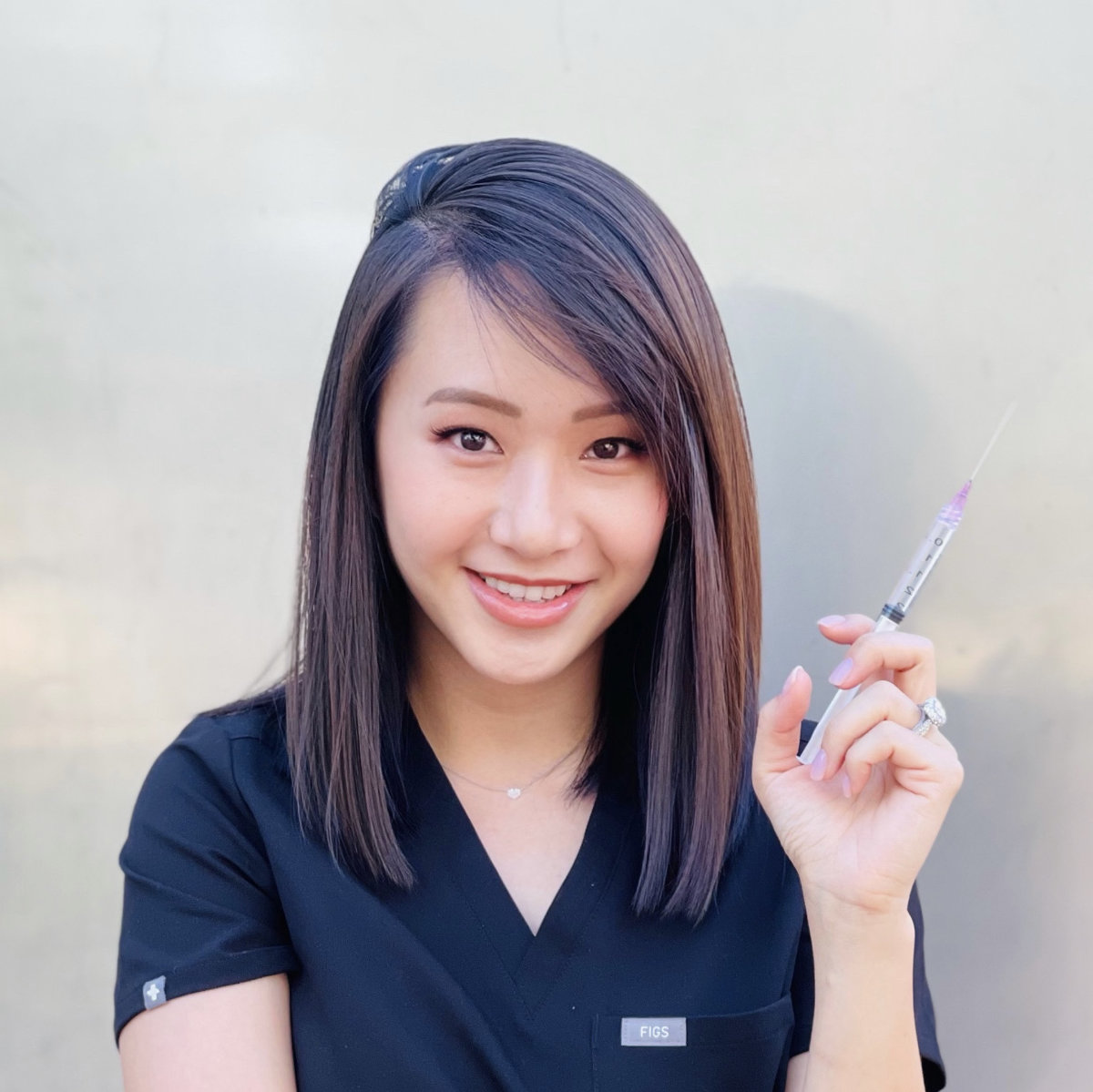
I get some version of this question almost every week: “I want fillers, but I don’t want to look done.” And honestly? I love hearing it. Because it tells me the person sitting across from me has realistic expectations, good taste, and a healthy amount of skepticism about what they’ve seen on social media.
Here’s the truth about dermal fillers in Tempe: the product itself matters way less than most people think. What actually determines whether you walk out looking refreshed or overfilled comes down to three things: the injector’s eye, the technique, and knowing when to stop.
Why “Less Is More” Isn’t Just a Saying
Scroll through Instagram for five minutes and you’ll see filler results that range from stunning to… a lot. The ones that catch your eye for the wrong reasons almost always share the same problem: too much product, placed without considering how the face moves and ages as a whole.
When I evaluate someone for fillers, I’m not just looking at the area they came in asking about. I’m looking at their entire face. How their cheekbones relate to their jawline. How their lips sit in proportion to their nose and chin. Whether volume loss in one area is making another area look more pronounced than it actually is.
This matters because faces aren’t a collection of separate parts. They’re a system. And treating them like a system is what separates subtle, beautiful results from the “pillow face” look nobody wants.
The Consultation Conversation Nobody Talks About
Here in Tempe, I see a wide range of patients. College students from ASU who want a little lip enhancement. Professional women in their 40s noticing volume loss in their cheeks. Men (yes, men get fillers too) who want a sharper jawline without anyone knowing why they suddenly look better.
The conversation I have with each of them is different, but there’s one thing I tell everyone: I’d rather have you come back for a touch-up than leave with too much. You can always add more. You can’t always undo it easily.
That might sound obvious, but you’d be surprised how many injectors skip this part. They want to give you dramatic before-and-afters for their portfolio. I want you to walk into work on Monday and have people say “you look great” without being able to pinpoint why.
What Actually Goes Into Getting Natural Results
Let me pull back the curtain a bit on what I’m thinking about during your appointment.
Product selection matters (but not how you think). Different fillers have different consistencies. Some are thicker and provide structural support, like under the cheekbones. Others are softer and more fluid, better for lips or fine lines around the mouth. Using the right product in the right location is basic, but it makes a huge difference.
Depth of injection changes everything. The same product placed superficially versus deep on the bone will look completely different. For cheeks, I typically work right on the bone to create lift. For lips, I’m working in the vermillion border and body of the lip at very specific depths.
Symmetry is a goal, not a guarantee. Nobody’s face is perfectly symmetric. And that’s fine. My job isn’t to make you look like a computer rendering. It’s to create balance that looks like you, just a more rested, refreshed version.
Swelling lies. Right after treatment, you’ll have some swelling. This is normal. It’s also deceiving. I always tell my patients: don’t judge your results for at least two weeks. What you see in the mirror at day three is not your final result.
The Arizona Factor
Living in Tempe and the greater Phoenix area means dealing with sun, heat, and dry air basically year-round. This actually affects how I approach filler treatments. Sun damage accelerates collagen loss, which means many of my patients here are dealing with volume depletion earlier than they might in other climates.
The upside? Fillers can be genuinely transformative for someone whose skin and soft tissue have taken a beating from Arizona weather. Restoring lost volume in the midface or temples can take years off without surgery, without downtime, and without anyone knowing.
Red Flags to Watch For
Since we’re being honest, here are things that should make you pause when shopping for an injector:
- They quote you a price before seeing your face. Every face is different. Cookie-cutter pricing usually means cookie-cutter treatment.
- They push a specific number of syringes. I decide how much product to use during the appointment, not before.
- They don’t ask what bothers you. This should be a conversation, not a transaction.
- Their before-and-afters all look the same. If every patient ends up with the same lips or cheeks, that injector has one look, and it might not be yours.
What to Expect at Your First Visit
If you’ve never had fillers before, the process is simpler than you probably think. We start with a consultation where I listen to what you want, examine your face, and give you my honest assessment. Sometimes I agree with what a patient is asking for. Sometimes I suggest something different. And sometimes I tell people they don’t need fillers at all.
The treatment itself takes 15 to 45 minutes depending on the areas. I use topical numbing and most fillers contain lidocaine, so discomfort is minimal. You can go right back to your day afterward, though I’d skip the hot yoga class.
Results are immediate but improve over two weeks as swelling resolves and the product settles. Most fillers last 6 to 18 months depending on the product and placement.
The Bottom Line
Natural-looking fillers aren’t about finding the right brand or the latest technique. They’re about finding an injector who sees your face as a whole, respects your anatomy, and has the restraint to enhance rather than transform.
If you’re in Tempe or the Phoenix area and want to explore what fillers could do for you, I’d love to have that conversation. No pressure, no upsell, just an honest assessment from someone who genuinely believes less is usually more.