
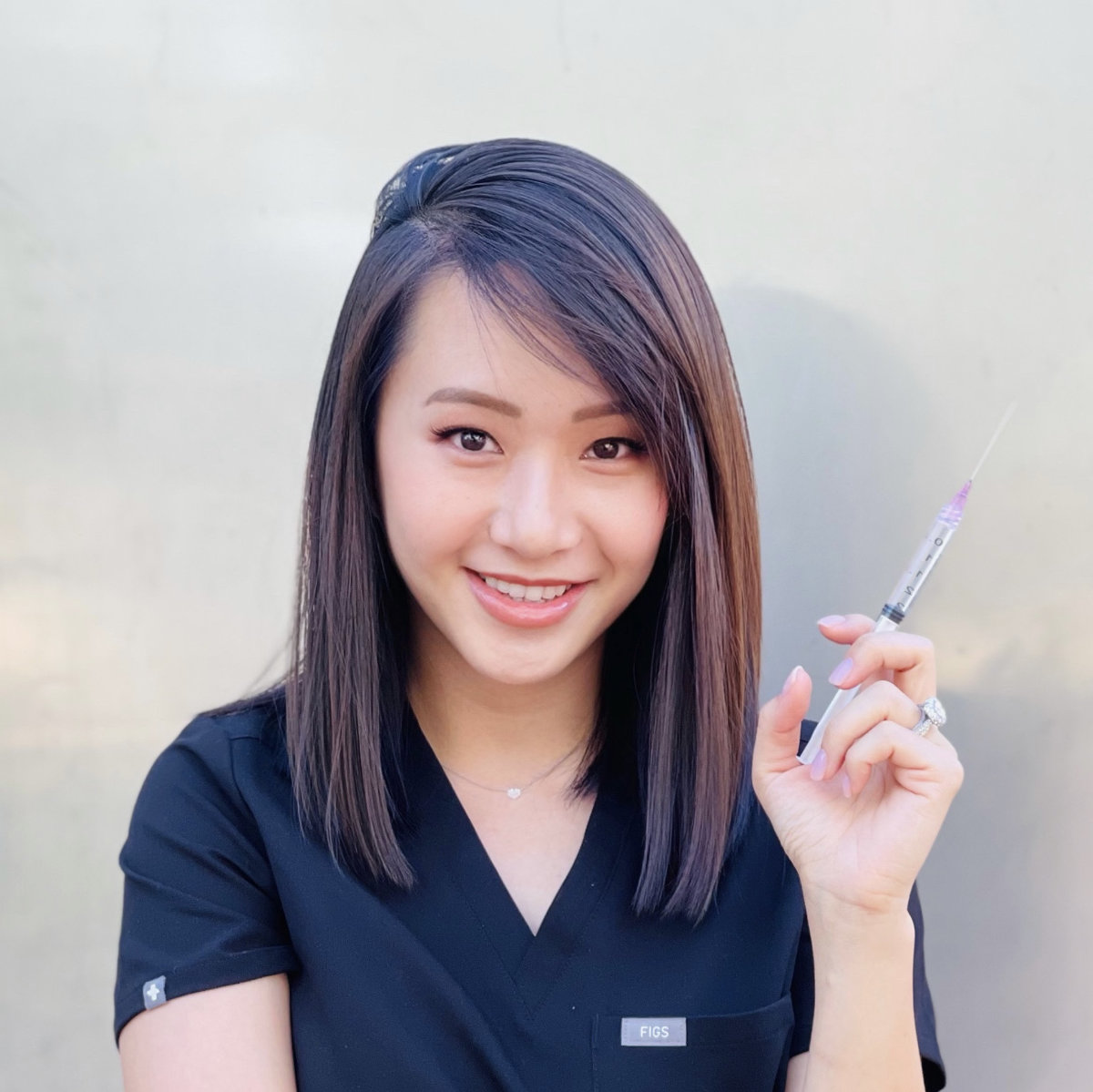
There’s a shift happening in my Tempe office that I find really encouraging. More patients in their 30s and early 40s are asking about Sculptra, not because they look old, but because they’re thinking ahead. They’re not trying to reverse anything dramatic. They want to hold onto what they’ve got.
And honestly? That’s one of the smartest approaches to aging I see.
The “Wait Until It’s Bad” Mindset Is Outdated
For a long time, the conventional wisdom was to leave your face alone until you really needed something. Lines getting deep? Okay, try Botox. Cheeks looking hollow? Time for filler. But that reactive approach means you’re always playing catch-up with volume loss that’s been building for years.
Here’s what most people don’t realize: you start losing collagen in your mid-20s. By the time you’re 40, you’ve lost roughly 20% of the collagen in your skin. That loss shows up as subtle hollowing in the temples and cheeks, skin that doesn’t bounce back the way it used to, and a general “tiredness” that has nothing to do with sleep.
Sculptra works by stimulating your body to rebuild its own collagen. It’s not adding a foreign substance that eventually dissolves. It’s actually triggering your skin to produce the structural protein it’s been slowly losing. That makes it uniquely suited for prevention, not just correction.
What I See in Tempe: A Younger, More Informed Patient
The Tempe patient base has changed a lot over the past few years. Between the university crowd, the young professionals in the Culdesac neighborhood, and the growing tech scene, there’s a whole population of people who do their research. They come in knowing the difference between hyaluronic acid and poly-L-lactic acid. They’ve watched the dermatology TikToks. They understand that collagen loss is gradual and cumulative.
What they want is a plan, not a quick fix.
That’s exactly where Sculptra fits. A patient in their early 30s might need just two vials across two sessions to maintain the collagen structure they already have. Compare that to waiting until your mid-50s, when you might need six or more vials across three to four sessions to rebuild what’s been lost. The math is straightforward: starting earlier means less product, fewer visits, and more natural-looking results over time.
How a Preventive Sculptra Plan Actually Works
If you’re in your 30s or early 40s and your face still looks like… your face, a typical preventive Sculptra plan looks something like this:
Initial phase: Two treatment sessions spaced about six weeks apart. Each session uses one to two vials, depending on your anatomy and goals. The injections go into areas where collagen loss tends to show first: temples, mid-cheeks, and along the jawline.
Maintenance phase: One session per year, sometimes every 18 months. That’s it. One visit to keep the collagen production going before any visible decline sets in.
The results aren’t instant, and that’s actually the point. Sculptra works gradually over three to six months as new collagen forms. Nobody looks at you and thinks “she got something done.” You just keep looking like yourself. People might say you look well-rested, or they can’t quite put their finger on what’s different. That’s the goal.
”But I Don’t Need Anything Yet”
I hear this a lot, and I understand the logic. If nothing looks wrong, why treat it? But think about it like fitness. You don’t wait until you can’t climb a flight of stairs to start exercising. You maintain your body so that decline happens more slowly, or not at all.
Skin works the same way. The collagen matrix in your face is a structure, and like any structure, maintenance is easier and cheaper than renovation. A patient who starts Sculptra at 33 and comes in once a year for maintenance will spend less over a decade than someone who starts at 48 and needs a more aggressive treatment plan.
I’m not saying everyone in their 30s needs Sculptra. Some people have great genetics and won’t notice significant volume loss until much later. During your consultation, I’ll be honest about whether you’d actually benefit from starting now or whether you’re better off waiting. There’s no point in treating something that doesn’t need treatment yet.
What About Botox and Fillers Instead?
Great question, and one I get all the time. Here’s how I think about it:
Botox prevents wrinkles from expression (crow’s feet, forehead lines, the ”11s” between your brows). It relaxes muscles. It doesn’t build collagen or restore volume.
Fillers add volume immediately. They’re perfect for lips, under-eyes, and specific areas that need a visible boost right now. But the results are temporary, usually lasting 6 to 18 months depending on the product and location.
Sculptra is playing a longer game. It rebuilds your skin’s own infrastructure. The results can last two years or more, and because it’s your own collagen, it moves and ages with your face naturally.
For many of my younger Tempe patients, the best approach is a combination. Maybe some preventive Botox in the forehead, Sculptra in the temples and cheeks for structural support, and fillers only if there’s a specific area they want to enhance. It’s not one or the other. It’s about using each tool where it works best.
The Arizona Factor
Living in Tempe means your skin deals with things that patients in Seattle or Chicago don’t. We get over 300 days of sunshine a year. UV exposure is the single biggest accelerator of collagen breakdown. Even with sunscreen (you are wearing sunscreen, right?), the cumulative effect of Arizona sun on your skin’s collagen is real.
That’s another reason why preventive collagen work makes sense here. If you live somewhere with less sun exposure, you might have more runway before volume loss becomes noticeable. In the Phoenix metro area, that timeline is compressed. I see it constantly: patients who look five to ten years older than their actual age, purely from sun damage. Starting Sculptra earlier can help offset some of that accelerated loss.
What a First Visit Looks Like
If you’re curious about whether preventive Sculptra makes sense for you, here’s what to expect:
We start with a consultation where I assess your facial structure, skin quality, and current collagen status. I’ll ask about your goals, your timeline, and your budget. If Sculptra is a good fit, we’ll map out a plan together.
The treatment itself takes about 30 minutes. There’s some swelling for a day or two, and I’ll ask you to massage the treated areas for five minutes, five times a day, for five days (the “5-5-5 rule”). It’s not glamorous, but it helps the product distribute evenly and produce the best results.
You won’t see much change at first. Around the six-week mark, you might start noticing subtle improvements. By month three, the collagen production is in full swing. And by month six, you’re looking at the final result: skin that looks firmer, fuller, and more resilient.
The Bottom Line
Prevention isn’t about vanity. It’s about strategy. The patients who start thinking about collagen maintenance in their 30s are the ones who look effortlessly good in their 50s and beyond. Sculptra gives your skin a reason to keep producing collagen instead of just accepting the decline.
If you’re in Tempe and you’ve been wondering whether it’s too early to think about this stuff, it probably isn’t. Come in for a consultation. We’ll talk through your options honestly, and if the answer is “you don’t need anything yet,” I’ll tell you that too.